


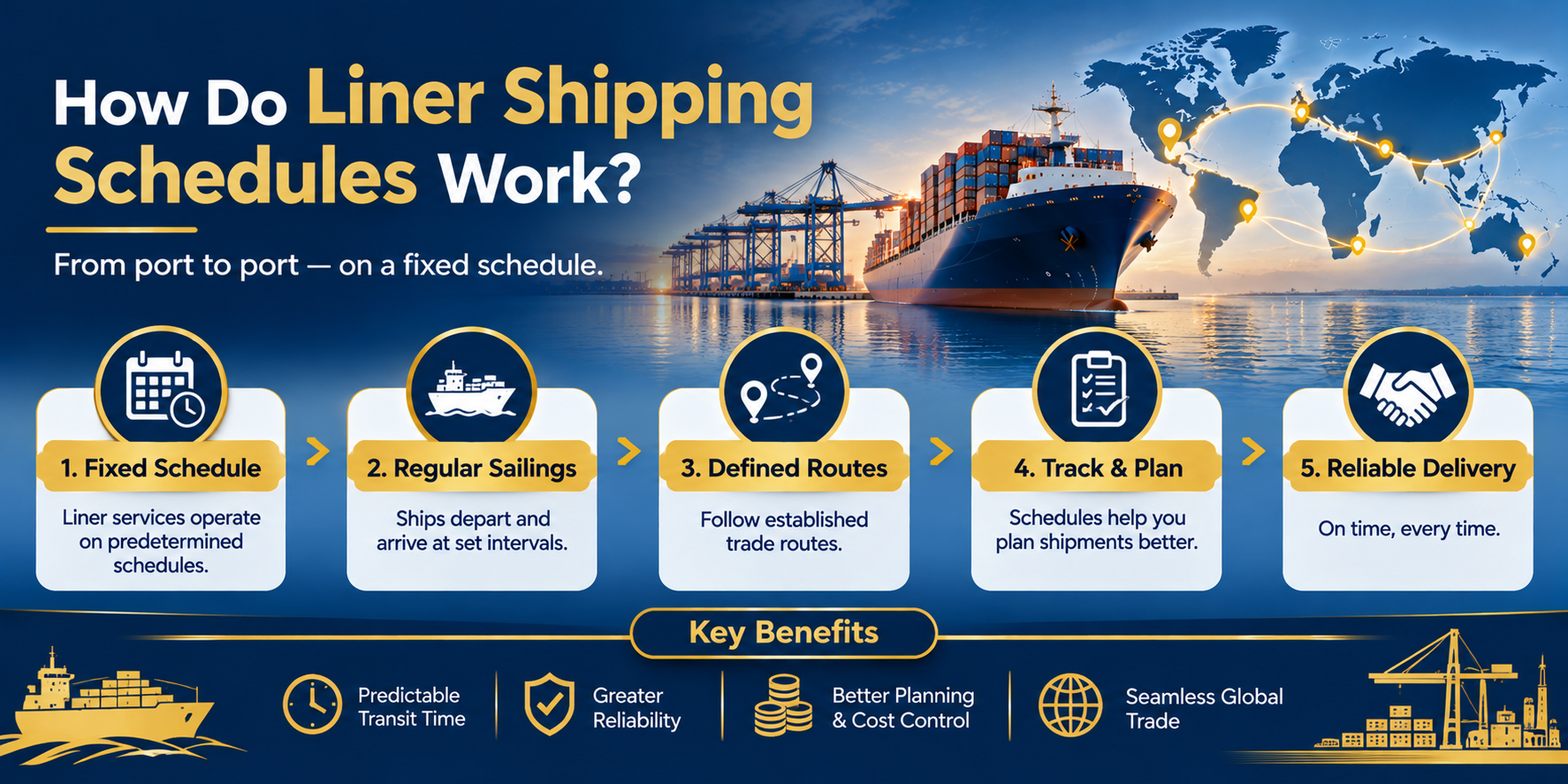
A shipping schedule is made up of a number of factors, and among them is a departure date. Companies must verify the ship's specifics, arrival date, port timings, and cargo cut-off dates before confirming a shipment.
Knowing these specifics enables shippers to plan shipments, comply with documentation requirements, and choose a sailing schedule for their cargo that matches its scheduled transit.
The schedule of a vessel usually includes the vessel name, voyage information, port information, and estimated departure/arrival dates. Booking details might also include documentation and cargo cut-off deadlines.
The important information is as follows:
The dates when specific documents and cargo requirements must be completed before departure.
When combined together, these details help shippers to gain an understanding of planned vessel movement and the timelines they must follow.
A sailing schedule combines the vessel information, port information, and key shipment deadlines. Let's take a simple example:
|
Schedule detail |
Example |
|
Vessel |
MV Example |
|
Voyage |
026E |
|
Port of Loading (POL) |
Nhava Sheva |
|
Ports of Discharge (PODs) |
Jebel Ali |
|
ETD |
15 November |
|
ETA |
20 November |
|
Estimated Transit Time |
5 days |
|
Documentation Cut-off |
12th November |
|
Container Gate-in Cut-off |
13th November |
Here, it is planned to leave Nhava Sheva on 15 November and reach Jebel Ali on 20 November, which will take about five days.
But let's first talk about shipment planning before the ship sets sail. The necessary information needs to be completed by 13 November, and the container by the applicable gate-in date on 13 November.
A shipment can be ready for sailing long before the ship leaves the port but fail to sail due to a misplaced cut-off.
Note: This is a sample only, and actual vessel information, transit times, and cut-off dates are subject to change depending on the service and booking.
ETD, ETA, and shipping cut-off dates are different aspects of the shipping process. Recognizing their disparities aids companies in synchronizing the readiness of their cargo and satisfying service needs.
These deadlines are NOT interchangeable! Late documentation and late entries to container gates can impact the planned sailing of the shipment. The precise timing and application of these vary depending on the shipping service, and therefore, be sure to verify them before sending off goods.
A sailing schedule is a document that provides details on the movement of a sailing vessel, including the dates it is scheduled for departure and arrival. It is a first guide to shipment planning.
A revised sailing schedule conveys changes to the original sailing schedule. This can be a revised departure or arrival schedule, changes to port timing and/or alteration to the vessel's movement.
Businesses should check the latest information about the schedule and not just the original one, as plans may change between the initial one and the time of departure.
A new schedule should also be cross-referenced with the original booking to see if there are any changes to the schedule that could potentially impact cargo movement and delivery planning.
Changes in port and operating conditions can impact a planned sailing. Common reasons include:
If there is a change to a schedule, businesses should check the new information and determine if the changes impact their cargo, documentation, or delivery schedules.
Before choosing a sailing, businesses should take five important factors into account:
After the booking has been accepted, keep tracking the booking documentation and vessel updates. This enables companies to adjust to schedule changes without impacting subsequent plans.
1. How frequently are vessel sailing schedule changes made?
Not all services have a regular update schedule. Operational conditions may change, which might result in revised schedules. Please check with the shipping agent for the most up-to-date information.
2. Is ETD the confirmed departure date?
No. ETD is an estimated departure time, not a guaranteed departure time. May be subject to change depending on port conditions, weather and operational delays.
3. What happens if a container misses the gate-in cut-off?
It is not guaranteed that the container can be taken aboard for the intended sailing. The next available sailing will be determined according to the service, space and requirements that apply.
4. Is it possible to change the vessel ETA after booking?
Yes. The estimated arrival time may be impacted by port congestion, weather, operational delays, and/or route changes. When making onwards cargo movement plans, the businesses should consult the latest schedule update.
Knowing the schedules of vessels enables business decisions before the arrival of cargo at the port. Whether it is verifying cut-off dates or tracking updates to ETAs, every aspect contributes to the planning of shipments.
We are here to assist any liner shipping operations at SJ Logistics India Ltd, on behalf of S J Logisol Shipping LLC, Dubai. Contact our staff for details of our vessel services and sailing schedule.
Plan your next shipment with SJ Logistics.

Your Global Trade Navigator, Delivering End-to-End Excellence and Unlocking New Opportunities in Every Link of Your Supply Chain.
Get In Touch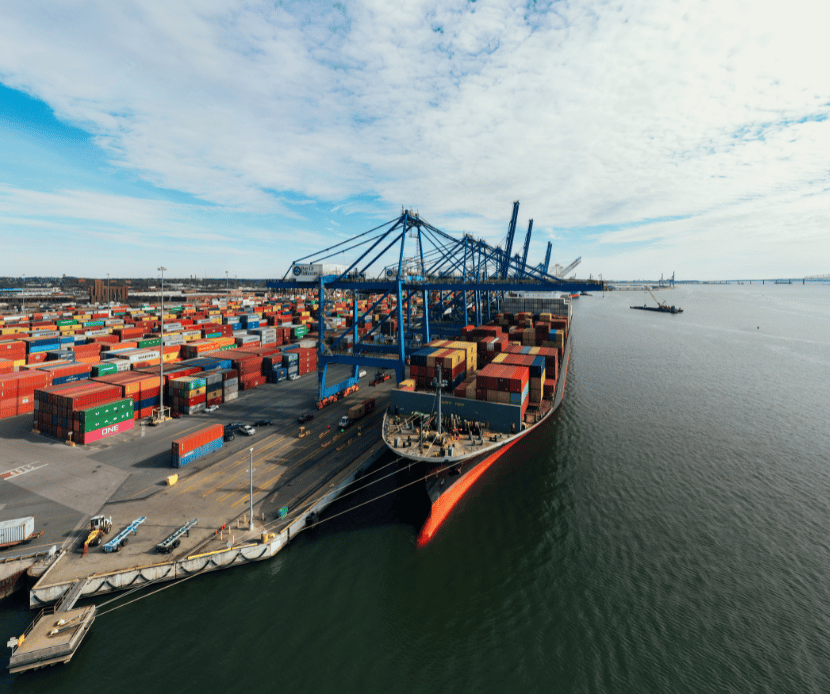

Explore our expert guide on Full Container Load (FCL) Shipping, covering benefits, processes, and tips to optimize your shipping experience efficiently.
Learn More FCL Shipping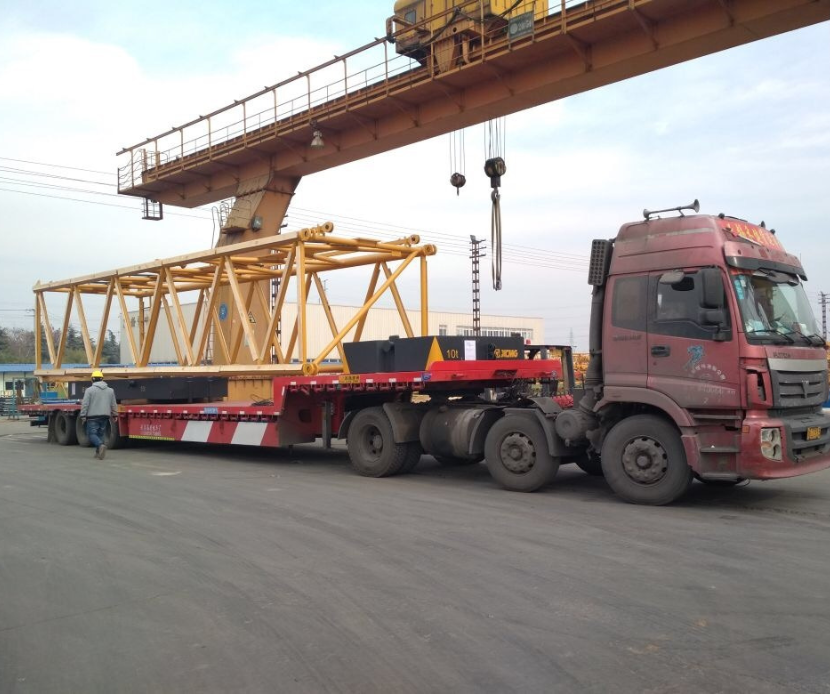
SJ Logistics specializes in the global transportation of high-value, oversized cargo, ensuring safe and efficient delivery for your most complex project logistics needs.
Learn More Project Cargo

Discover tailored warehousing solutions at SJ Logistics, designed for efficiency and strategic storage. Optimize your supply chain with our innovative services today!
Learn More Warehousing
Discover comprehensive NVOCC solutions that streamline your logistics operations, enhance efficiency, and ensure seamless cargo management for your business needs.
Learn More NVOCC

Discover reliable inland transportation solutions that streamline your domestic logistics, ensuring timely and efficient delivery across the country.
Learn More Inland Transportation

Experience unparalleled convenience with our door delivery solutions, ensuring your packages arrive safely and promptly right at your doorstep. Discover more today!
Learn More Door Delivery

Experience seamless customs clearance with SJ Logistics. Our expert-led solutions ensure precision and efficiency, streamlining your import and export processes.
Learn More CHA

Experience unparalleled speed and reliability with our air freight services, ensuring your cargo reaches its destination swiftly and safely, no matter the distance.
Learn More Air Freight

Unlock the benefits of LCL shipping with our tailored solutions. Enjoy flexibility, cost savings, and strategic support designed for SMEs to thrive in global trade.
Learn More LCL Shipping