

A shipment leaves Mumbai on time.
Everything seems smooth until a small customs documentation error goes unnoticed.
No alert. No visibility. No early intervention.
Soon, delays increase, costs rise, and delivery schedules are disrupted.
This is how many logistics issues occur: not through major failures, but through small operational blind spots across disconnected systems.
Now imagine a connected logistics network where AI detects issues early, automation alerts the right teams instantly, and smart freight systems recommend corrective actions before delays escalate.
That future is already here, and it's transforming global logistics.
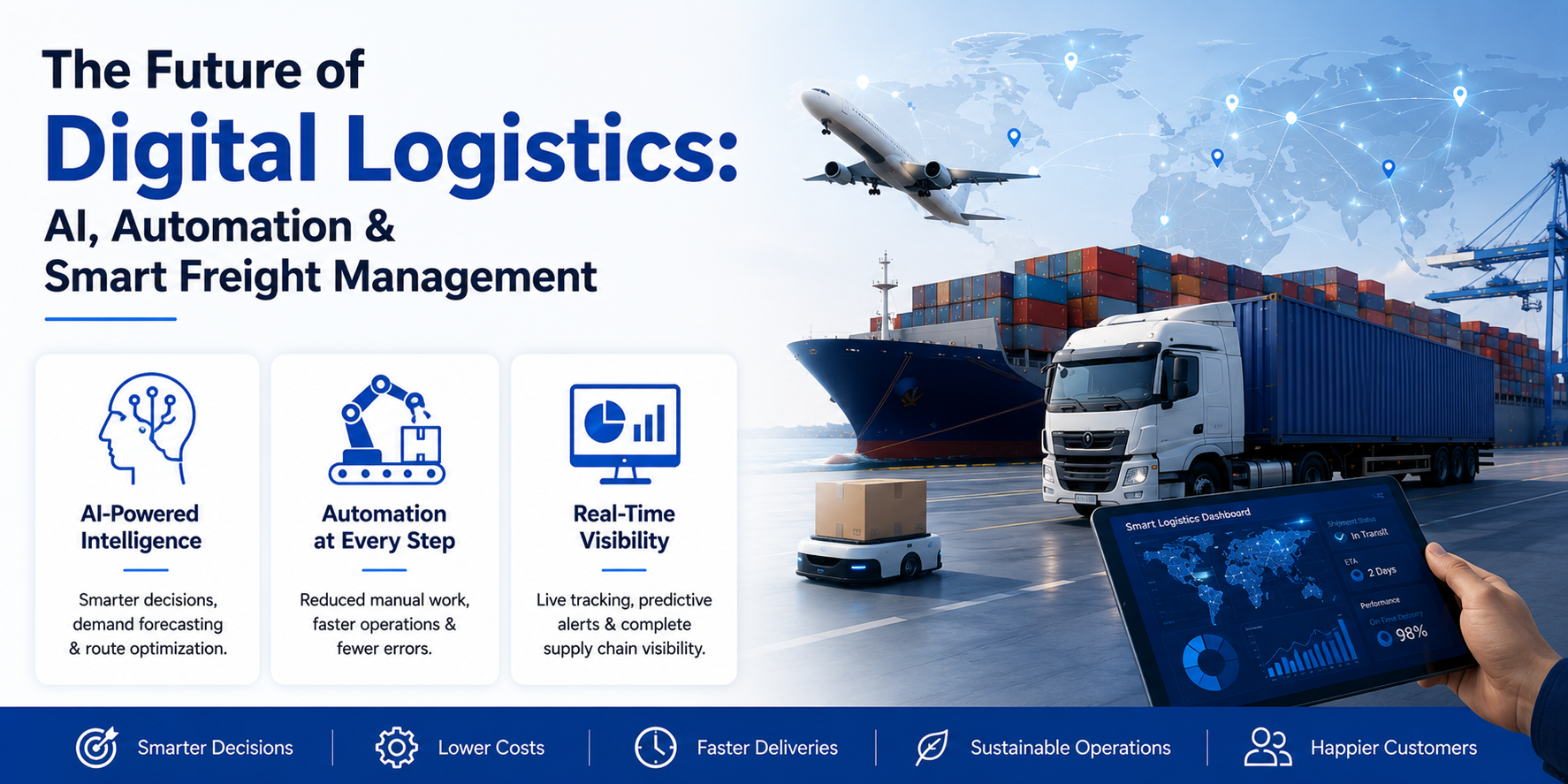
Digital logistics is the use of AI, automation, real-time tracking, predictive analytics, and connected supply chain technologies to improve freight management, shipment visibility, operational efficiency, and logistics decision-making.
Unlike traditional logistics systems that rely heavily on manual coordination, digital logistics connects people, processes, and data through centralized platforms that provide greater visibility and control across the supply chain.
Digital logistics is the integration of:
Instead of scattered emails, calls, and spreadsheets, businesses get centralized visibility.
This leads to:
Modern logistics is no longer just cargo movement; it’s efficient supply chain information management.
|
Traditional Logistics |
Digital Logistics |
|
Manual updates |
Automated updates |
|
Spreadsheet tracking |
Centralized dashboards |
|
Reactive decision-making |
Predictive insights |
|
Limited shipment visibility |
Real-time visibility |
|
Higher risk of delays |
Faster issue resolution |
|
Multiple disconnected systems |
Connected logistics ecosystem |
As supply chains become increasingly complex, businesses are moving toward digital logistics systems that provide greater operational visibility, efficiency, and control.
Global supply chains are getting more complex with:
Delayed visibility is costly, impacting:
Logistics is now shifting from reactive to predictive, where businesses want visibility before disruptions, not after.
AI in freight forwarding uses predictive analytics, machine learning, and real-time data to detect risks, optimize shipments, and reduce disruptions before they occur.
Unlike traditional systems that rely on manual intervention, AI continuously analyzes data to identify:
It helps businesses:
The shift is clear: logistics moves from reacting to problems to preventing them.
Traditional logistics often faces operational friction due to:
Automation reduces this by:
For high-volume trade, small efficiency gains lead to major long-term savings.
The fastest-improving companies aren’t spending more; they’re removing inefficiencies faster.
Smart freight management uses AI, automation, analytics, and real-time tracking to improve logistics efficiency and reduce costs.
It integrates:
Beyond tracking shipments, it helps identify:
It can also:
Instead of fragmented updates, businesses get a single connected view—now a key competitive advantage in logistics.
For years, logistics focused on faster delivery.
But modern supply chains show a key truth: lack of visibility is a bigger risk than slower transport.
A visible delay is manageable, but poor visibility disrupts:
That’s why real-time visibility is now central to digital logistics, businesses want continuous operational intelligence, not occasional updates.
India’s logistics ecosystem is evolving rapidly.
Businesses adopting digital logistics early are seeing:
For exporters, these improvements directly boost reliability, customer satisfaction, and long-term growth.
Despite the benefits, many businesses still face challenges such as:
However, the direction of the industry is already clear.
Digital logistics is gradually moving from optional innovation to operational necessity.
The businesses adapting early are building stronger supply chain resilience for the future.
Businesses modernizing logistics should focus on:
But the key shift is strategic; logistics is no longer just operational.
It now directly impacts:
Early adopters will be strongly positioned for the future.
Digital logistics uses AI, automation, analytics, and real-time systems to improve supply chain visibility, freight management, shipment tracking, and operational efficiency.
AI helps predict delays, optimize routes, detect documentation issues, improve freight planning, and forecast supply chain disruptions using operational data.
Smart freight management combines AI, automation, analytics, and real-time visibility to optimize shipment movement, improve efficiency, and reduce logistics costs.
Automation reduces manual work, improves operational speed, minimizes errors, streamlines workflows, and increases efficiency across logistics operations.
Digital logistics helps Indian businesses improve shipment visibility, reduce delays, optimize freight costs, strengthen compliance, and build more resilient supply chains.
The future of digital logistics is driven by AI decision-making, automation, predictive analytics, real-time visibility, and connected systems.
Businesses adopting digital freight management can now reduce risks, improve efficiency, optimize costs, and build resilient supply chains.
The shift is clear:
Manual, disconnected workflows will struggle in a digitally connected logistics world.
Early adopters gain more than efficiency; they build long-term competitive advantage.
SJ Logistics India supports businesses in modernizing freight operations with smarter coordination, better visibility, and tech-enabled logistics solutions for global trade.

Your Global Trade Navigator, Delivering End-to-End Excellence and Unlocking New Opportunities in Every Link of Your Supply Chain.
Get In Touch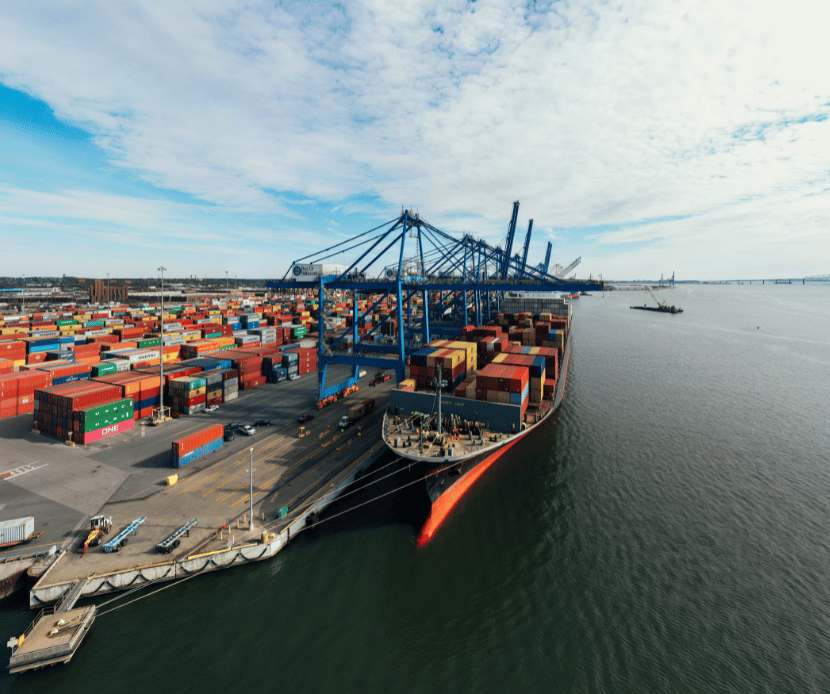

Explore our expert guide on Full Container Load (FCL) Shipping, covering benefits, processes, and tips to optimize your shipping experience efficiently.
Learn More FCL Shipping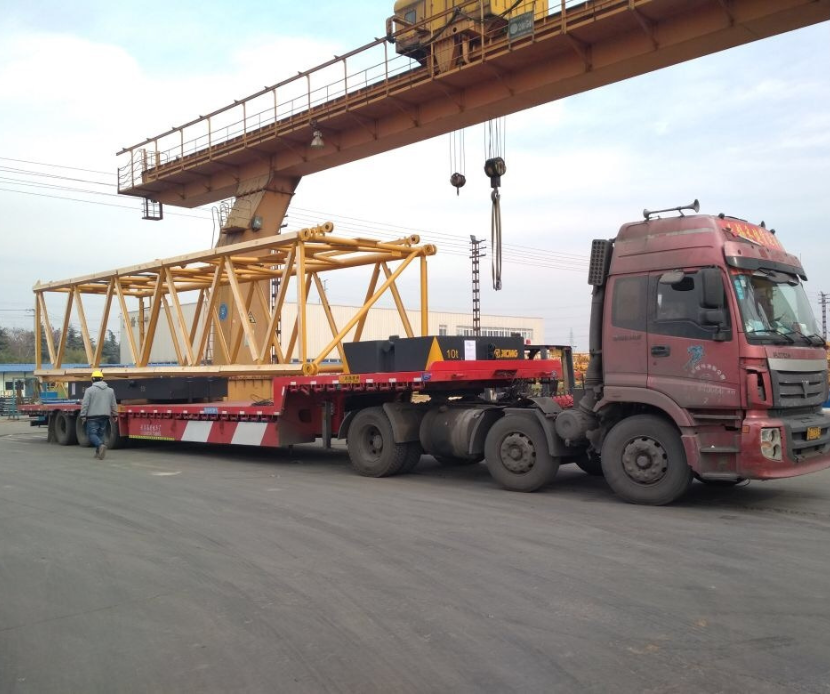
SJ Logistics specializes in the global transportation of high-value, oversized cargo, ensuring safe and efficient delivery for your most complex project logistics needs.
Learn More Project Cargo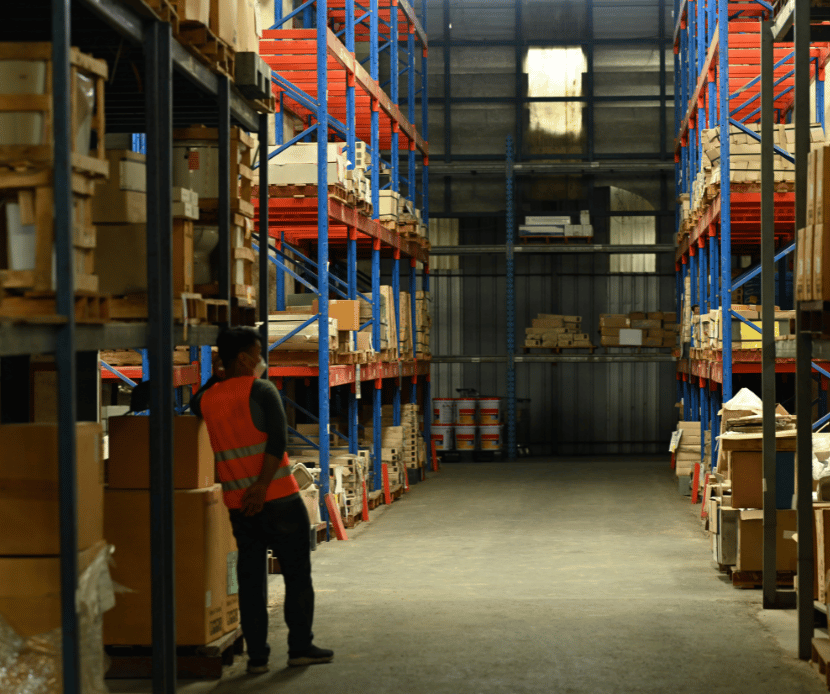

Discover tailored warehousing solutions at SJ Logistics, designed for efficiency and strategic storage. Optimize your supply chain with our innovative services today!
Learn More Warehousing
Discover comprehensive NVOCC solutions that streamline your logistics operations, enhance efficiency, and ensure seamless cargo management for your business needs.
Learn More NVOCC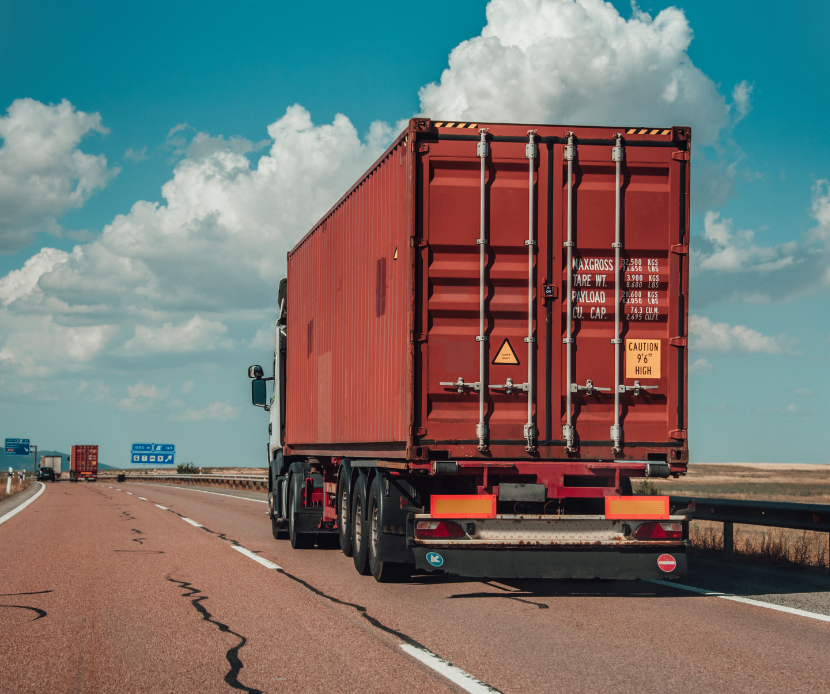

Discover reliable inland transportation solutions that streamline your domestic logistics, ensuring timely and efficient delivery across the country.
Learn More Inland Transportation

Experience unparalleled convenience with our door delivery solutions, ensuring your packages arrive safely and promptly right at your doorstep. Discover more today!
Learn More Door Delivery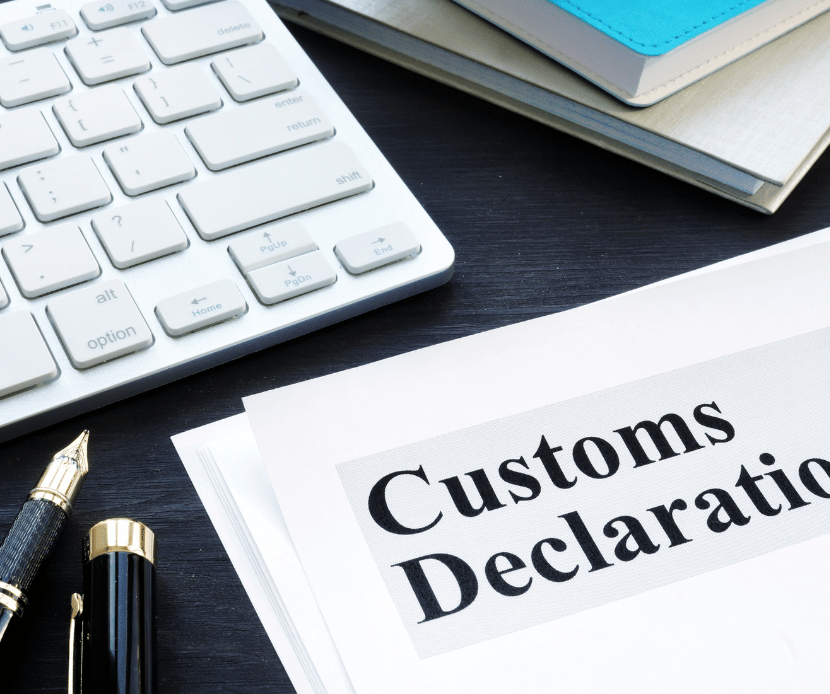

Experience seamless customs clearance with SJ Logistics. Our expert-led solutions ensure precision and efficiency, streamlining your import and export processes.
Learn More CHA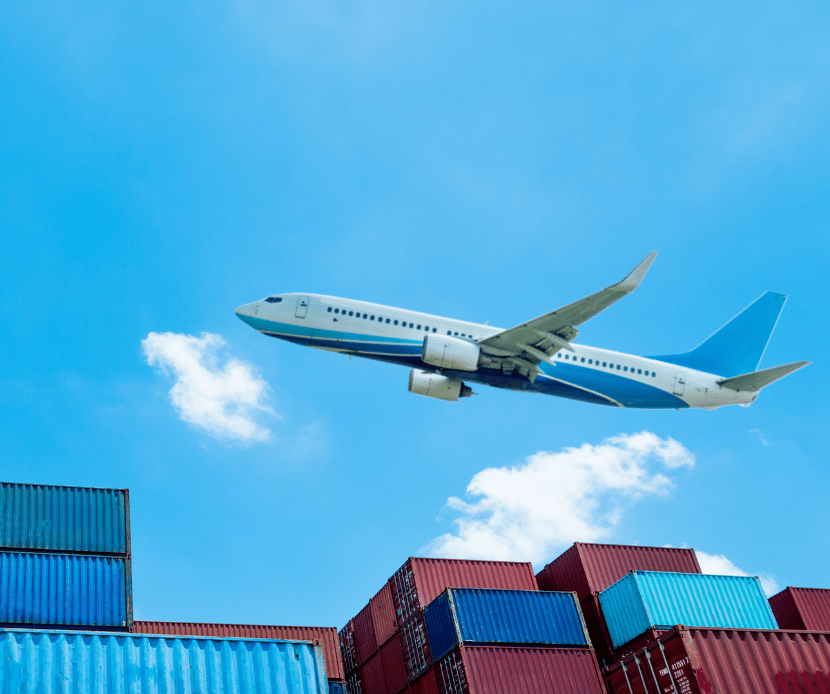

Experience unparalleled speed and reliability with our air freight services, ensuring your cargo reaches its destination swiftly and safely, no matter the distance.
Learn More Air Freight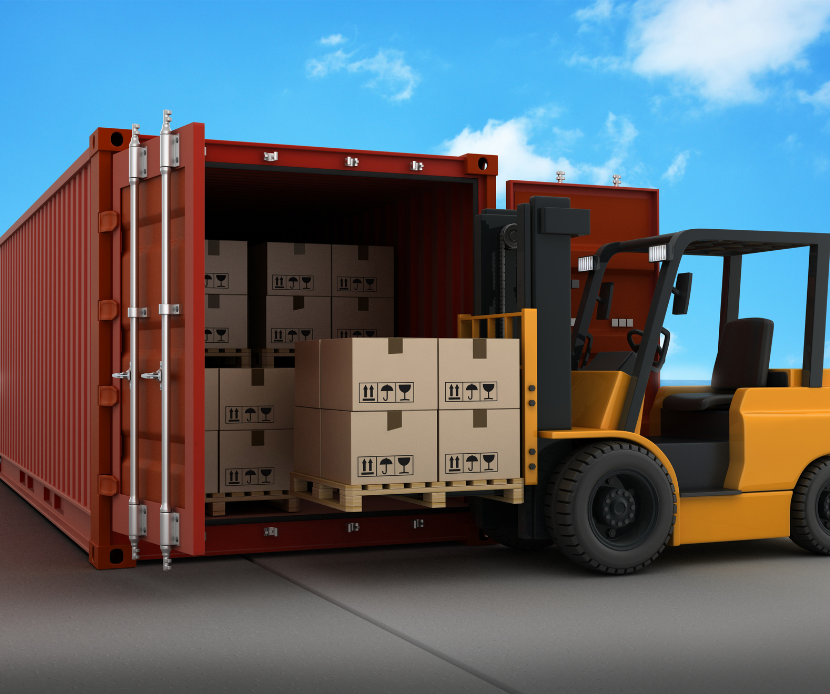

Unlock the benefits of LCL shipping with our tailored solutions. Enjoy flexibility, cost savings, and strategic support designed for SMEs to thrive in global trade.
Learn More LCL Shipping