

One shipment. Two companies.
One is chasing updates through calls and emails.
The other sees everything live on a dashboard.
Same cargo. Different control.
Freight forwarding once depended on manual coordination: calls, emails, paperwork, and follow-ups. It worked, but global logistics has moved on.
With faster timelines and more complex supply chains, delayed visibility now poses real operational risk. That’s why digital freight forwarding is rapidly gaining ground: businesses now expect connected, real-time visibility, not fragmented updates.
Freight forwarding is the coordination of cargo movement across locations, often international.
A freight forwarder connects:
Their role includes booking, documentation, coordination, tracking, and delivery management.
They may not move cargo directly but ensure the logistics process runs smoothly end to end.
Traditional freight forwarding has powered global trade for decades and is still widely used.
Typical workflow:
Key reality:
Common challenges:
Most of the time, cargo moves fine; the visibility around it doesn’t.
Digital freight forwarding makes logistics more connected, centralized, and tech-driven.
Key features:
Modern systems may include:
Core purpose:
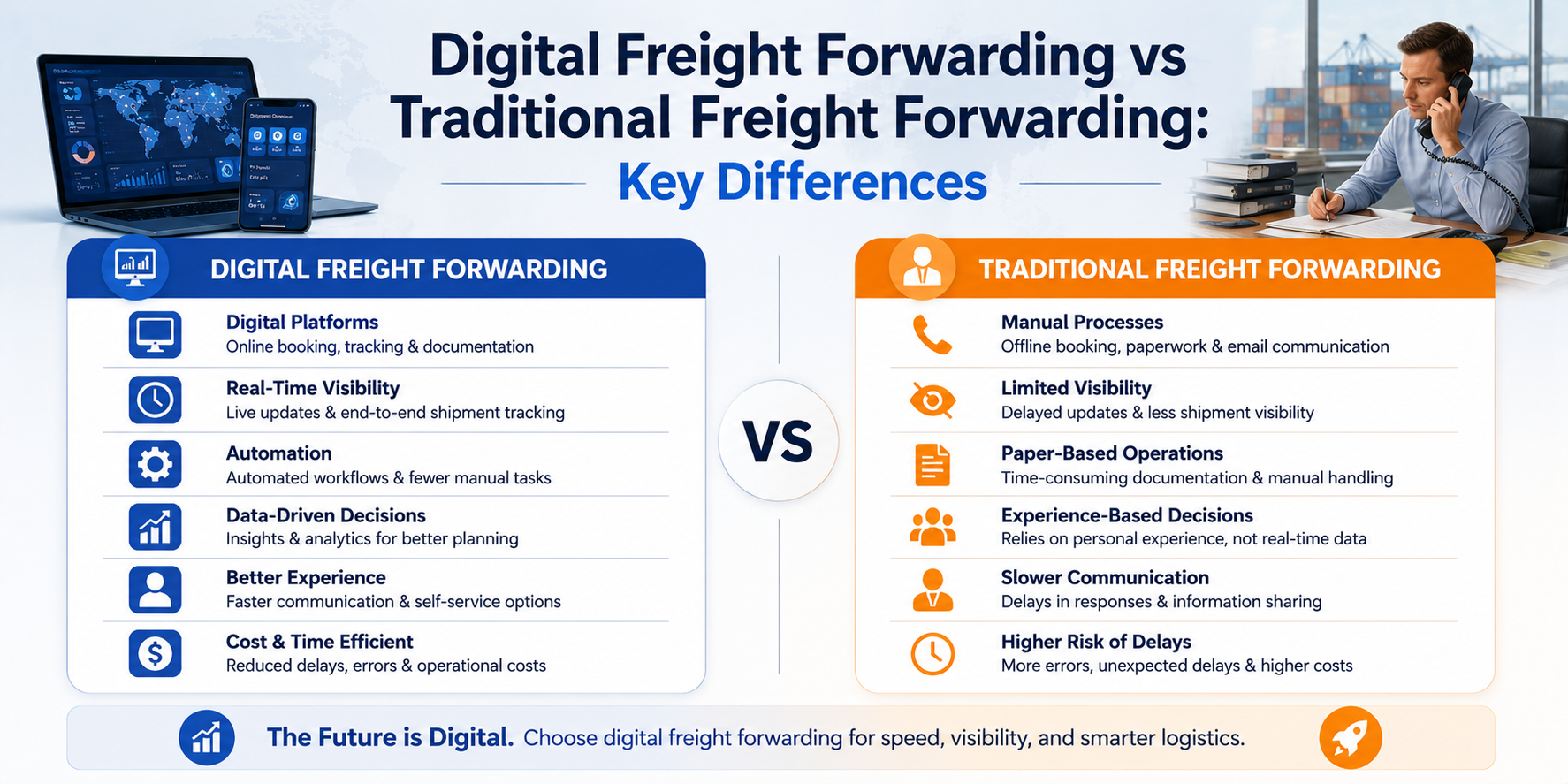
|
Area |
Traditional Freight Forwarding |
Digital Freight Forwarding |
|
Communication |
Calls and emails |
Centralized dashboards |
|
Tracking |
Periodic updates |
Real-time visibility |
|
Documentation |
Manual handling |
Automated workflows |
|
Shipment Visibility |
Limited or delayed |
Continuous tracking |
|
Decision-Making |
Based on delayed information |
Based on live operational data |
|
Coordination Speed |
Slower manual coordination |
Faster automated processes |
|
Error Risk |
Higher due to manual workflows |
Reduced through automation |
|
Customer Experience |
Reactive updates |
Proactive visibility |
The biggest shift is operational control.
Traditional forwarding often reacts after disruptions occur.
Digital forwarding focuses on identifying issues earlier and improving visibility before delays escalate.
India’s logistics ecosystem is evolving fast due to rising exports, port efficiency, manufacturing growth, infrastructure investment, and higher customer expectations.
Traditional freight forwarding still works for low-volume or less time-sensitive shipments.
But for high-volume, international, or time-critical operations, digital freight systems are becoming more important.
The future is not fully traditional or fully digital; it’s a hybrid of:
That’s where the industry is heading.
Technology is not replacing freight forwarding.
It is refining how freight operations are managed.
Today, logistics systems increasingly use:
Industry trends increasingly show that visibility and shipment predictability are becoming major investment priorities across global logistics networks.
This shift is changing how businesses manage freight operations.
Instead of reacting late to disruptions, businesses can now:
That is a major operational advantage in modern logistics.
Choosing the right freight forwarder is no longer only about pricing.
Visibility, coordination speed, and operational reliability now matter just as much.
Businesses should look for freight partners that provide:
A strong logistics partner reduces uncertainty instead of increasing it.
Because in global logistics, delays are not always caused by cargo movement itself.
Many delays happen because businesses discover problems too late.
Traditional freight forwarding depends heavily on manual communication and periodic shipment updates, while digital freight forwarding uses automation and real-time systems for better visibility and faster coordination.
Not always. Smaller or low-frequency shipments may still work efficiently through traditional systems. However, businesses managing complex or high-volume supply chains often benefit significantly from digital visibility tools.
No. Freight forwarders remain essential for shipment coordination, customs handling, operational planning, and logistics management. Digital systems simply improve efficiency and visibility.
The biggest advantages include:
India is gradually moving toward hybrid logistics systems where traditional freight expertise combines with digital visibility platforms and automation-driven coordination.
Freight forwarding is no longer just about moving cargo; it’s about knowing what’s happening at every step.
These answers now define logistics performance.
Companies still relying on delayed updates and fragmented communication will find it harder to compete with connected systems built for real-time visibility and faster decisions. This shift is already shaping global trade.
Businesses adapting early aren’t just tracking shipments better; they’re gaining tighter control over their entire supply chain.
SJ Logistics India supports this shift by helping businesses improve coordination, visibility, and decision-making through structured, technology-enabled freight forwarding practices.
Because in logistics, control is rarely lost in one moment.
It slips away slowly, through late updates, missed signals, and delayed decisions.

Your Global Trade Navigator, Delivering End-to-End Excellence and Unlocking New Opportunities in Every Link of Your Supply Chain.
Get In Touch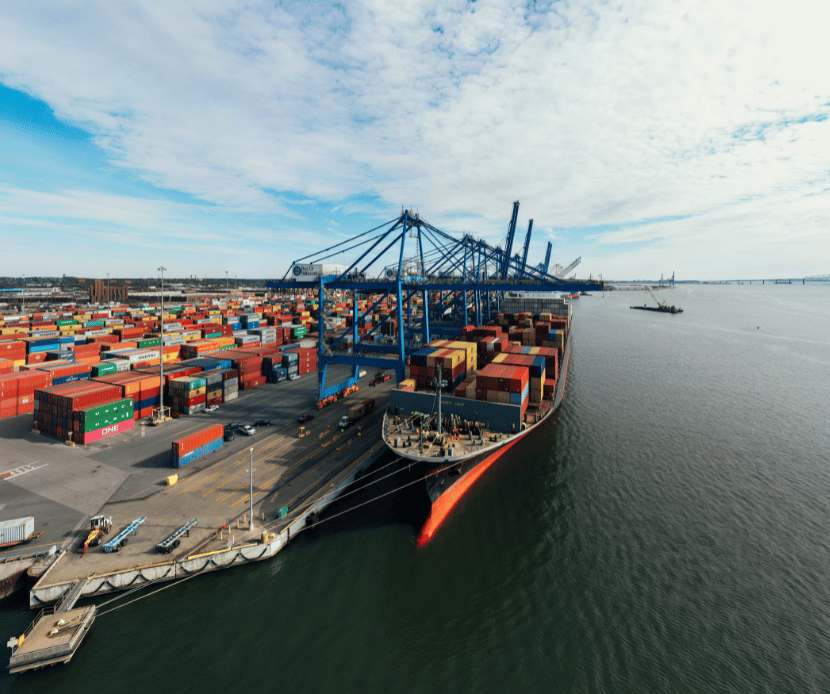

Explore our expert guide on Full Container Load (FCL) Shipping, covering benefits, processes, and tips to optimize your shipping experience efficiently.
Learn More FCL Shipping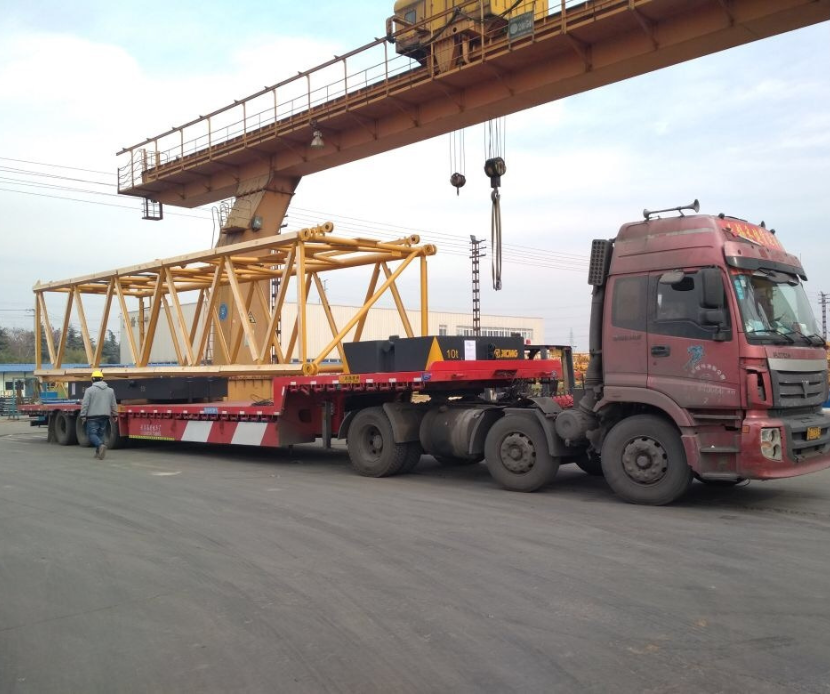
SJ Logistics specializes in the global transportation of high-value, oversized cargo, ensuring safe and efficient delivery for your most complex project logistics needs.
Learn More Project Cargo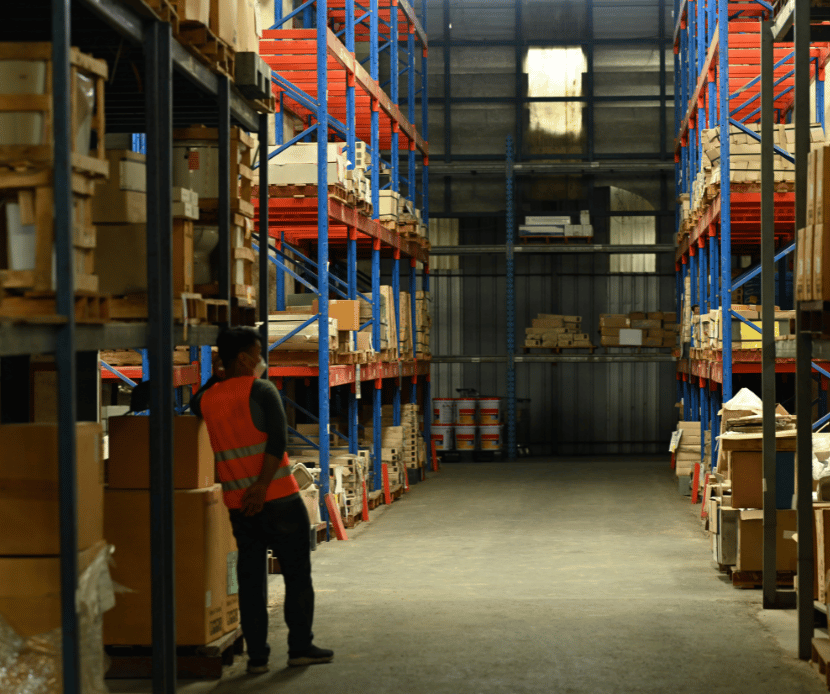

Discover tailored warehousing solutions at SJ Logistics, designed for efficiency and strategic storage. Optimize your supply chain with our innovative services today!
Learn More Warehousing
Discover comprehensive NVOCC solutions that streamline your logistics operations, enhance efficiency, and ensure seamless cargo management for your business needs.
Learn More NVOCC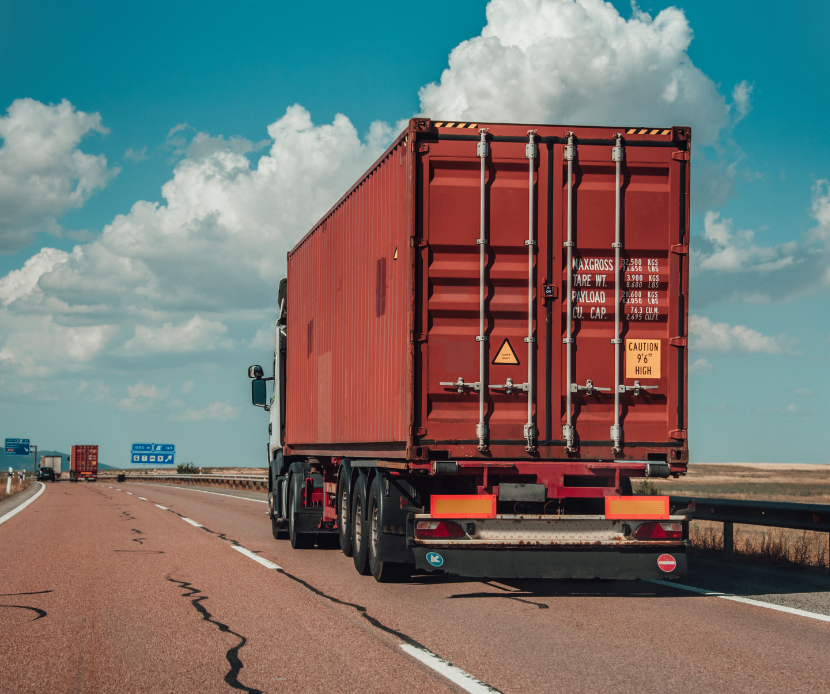

Discover reliable inland transportation solutions that streamline your domestic logistics, ensuring timely and efficient delivery across the country.
Learn More Inland Transportation

Experience unparalleled convenience with our door delivery solutions, ensuring your packages arrive safely and promptly right at your doorstep. Discover more today!
Learn More Door Delivery

Experience seamless customs clearance with SJ Logistics. Our expert-led solutions ensure precision and efficiency, streamlining your import and export processes.
Learn More CHA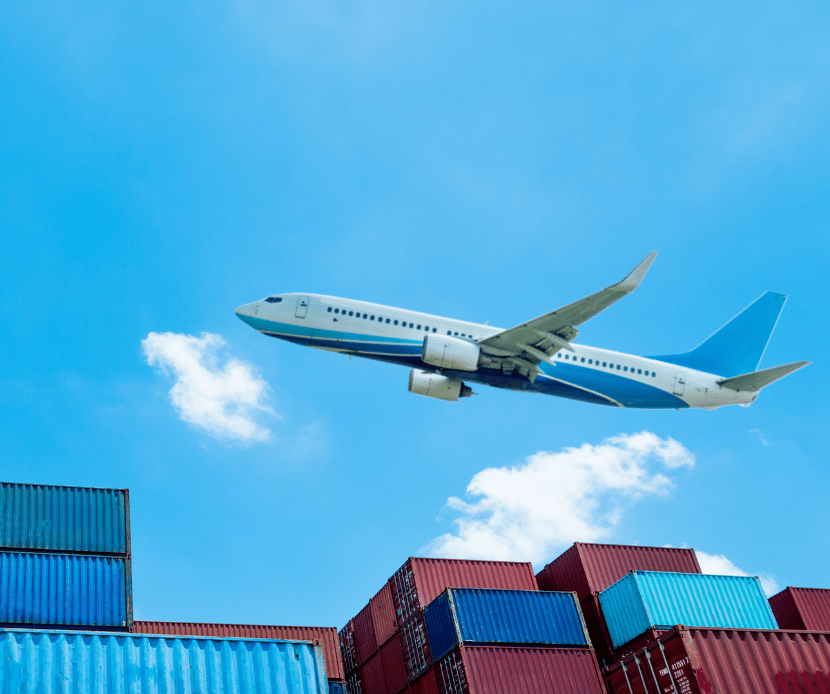

Experience unparalleled speed and reliability with our air freight services, ensuring your cargo reaches its destination swiftly and safely, no matter the distance.
Learn More Air Freight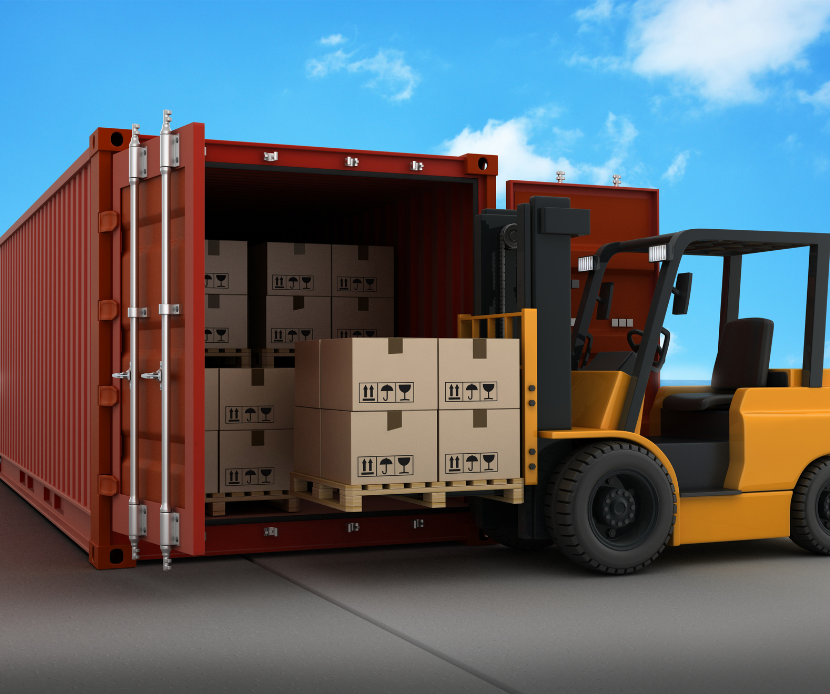

Unlock the benefits of LCL shipping with our tailored solutions. Enjoy flexibility, cost savings, and strategic support designed for SMEs to thrive in global trade.
Learn More LCL Shipping