

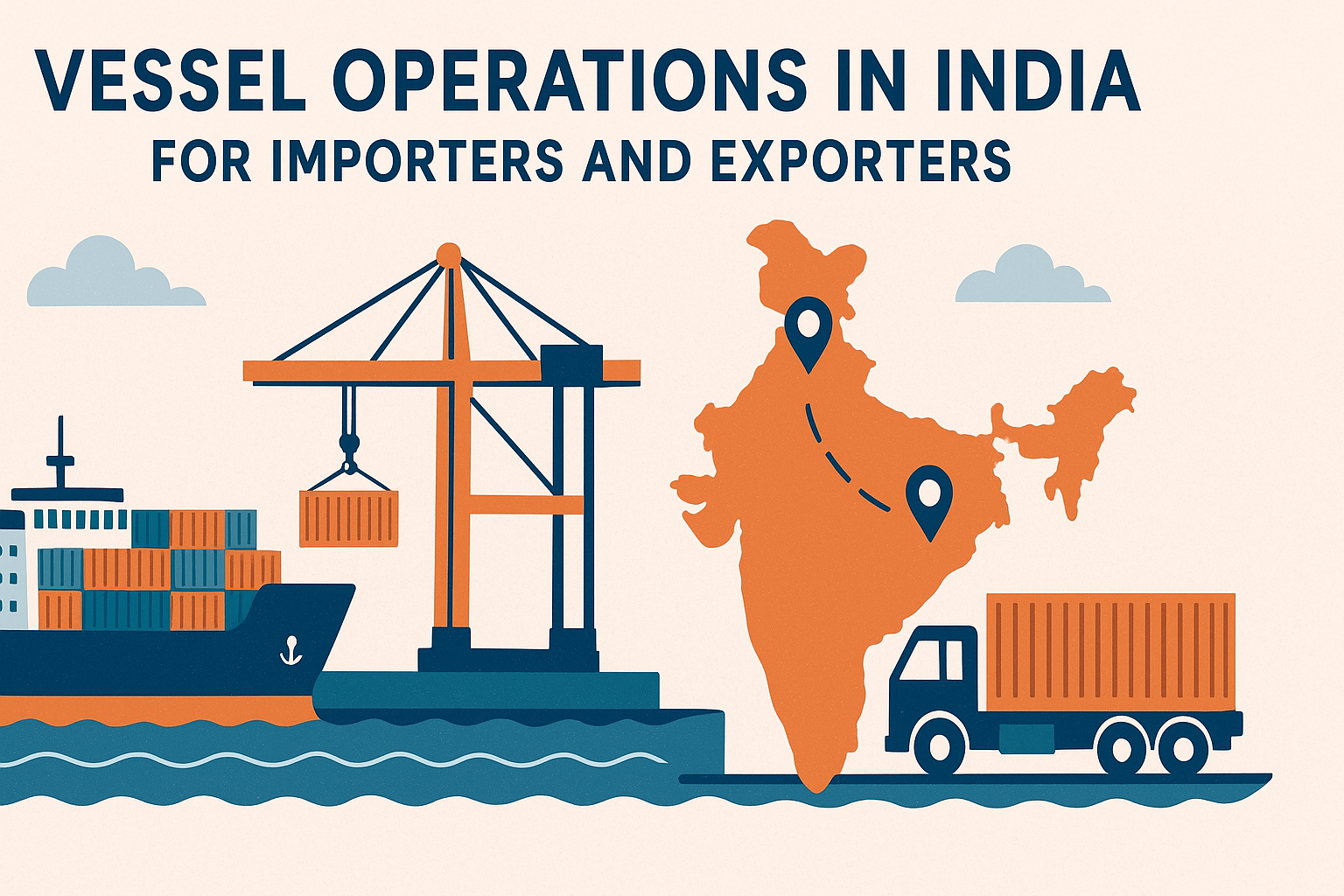
If your cargo is stuck at an Indian port and no one gives you a straight answer, this is for you.
Your cargo reaches the port.
The vessel is alongside.
Yet nothing moves.
You call your agent. They blame port congestion.
The port points to the vessel operator.
The vessel operator points to documentation or clearance.
This confusion costs time, money, and trust.
At SJ Logistics, vessel operations are managed end to end—from arrival planning to sailing clearance—so importers and exporters don’t get stuck between parties. Clear control of vessel operations is often the difference between delayed cargo and smooth trade.
What Vessel Operations Mean in India
Vessel operations include everything that happens to a ship from the moment it enters Indian waters until it sails out of the port.
For importers and exporters, vessel operations decide one critical outcome:
how fast your cargo moves.
Indian ports operate under strict timelines, reporting rules, and coordination systems. If even one step is delayed or filed incorrectly, the entire vessel schedule can slip.
When these steps move in sync, cargo flows smoothly. When they don’t, delays multiply quickly.
Who Is a Vessel Operator—and Why They Matter
A vessel operator is the party responsible for managing the ship while it is in port.
They control:
For importers and exporters, the vessel operator’s performance often matters more than the ship itself.
If the operator misses a deadline, your cargo waits.
If they plan well, your shipment moves on schedule.
They act as the central link between the ship crew, port authorities, customs, and logistics partners.
Vessel Operation Process at Indian Ports
Every vessel entering an Indian port follows a defined operational flow. Missing one step delays everything that follows.
Each stage depends on timing. A delay at one point pushes the entire schedule back.
Common Vessel Operation Delays in India
Most vessel delays are not random. They follow predictable patterns.
Importers and exporters face losses when vessel operations fail at basic levels.
Every delay adds cost—storage charges increase, delivery timelines slip, and commitments break.
How Strong Vessel Operators Reduce Delays
Experienced vessel operators prevent problems before the ship reaches port.
They plan early.
They act fast.
They communicate clearly.
This proactive approach cuts waiting time and protects importers from avoidable losses.
Documents Involved in Vessel Operations
Paperwork controls vessel movement at Indian ports.
If one document is late or incorrect, cargo stops.
Vessel operators manage these documents to keep operations moving.
Each document must match port and customs records exactly. Small errors often cause big delays.
Vessel Operations vs Port Operations: Know the Difference
Many importers confuse vessel operations with port operations. They are not the same—and the difference matters when delays occur.
|
Area |
Vessel Operations |
Port Operations |
|
Focus |
Ship movement and compliance |
Terminal handling and storage |
|
Managed by |
Vessel operator |
Port or terminal authority |
|
Main risk |
Missed slots, filing errors |
Congestion, slow handling |
|
Impact on you |
Arrival and sailing delays |
Cargo handling delays |
When both sides work in sync, cargo moves as planned. When they don’t, costs rise quickly.
Costs Linked to Vessel Operations in India
Vessel operations affect your cost even before cargo moves.
Many importers only notice these costs after delays begin.
When vessel operations fall behind schedule, these costs escalate fast. Proper planning keeps them under control.
Choosing the Right Vessel Operator in India
Not all vessel operators perform the same way.
The difference becomes clear when something goes wrong.
Before choosing a vessel operator, check:
A reliable operator maintains control under pressure—and that protects your shipment.
FAQs
1. What are vessel operations in simple terms?
Vessel operations cover everything that happens to a ship at port, from arrival to sailing, including planning, paperwork, cargo handling, and clearance.
2. Who controls vessel operations at Indian ports?
Vessel operations are controlled by the vessel operator, working with port authorities, customs, pilots, and agents.
3. Why do vessel operations cause cargo delays?
Delays usually result from late filings, berth congestion, document errors, unpaid port charges, or weak coordination.
4. Can importers influence vessel operations?
Yes. Importers can verify documents early, demand clear updates, and choose experienced vessel operators familiar with Indian ports.
5. How do I know if a vessel operator is reliable?
Look for port experience, fast response times, cost transparency, and consistent on-time sailing performance.
Smooth Vessel Operations Made Simple
Delays, paperwork errors, and berth congestion are common at Indian ports—but they are not unavoidable.
The right vessel operator turns complexity into control.
SJ Logistics manages vessel operations across major Indian ports with a focus on accuracy, coordination, and real-time updates. From pre-arrival planning to sailing clearance, their team ensures shipments move smoothly—so importers and exporters can focus on business, not delays.
Take action today: Contact SJ Logistics and plan your next shipment with confidence.

Your Global Trade Navigator, Delivering End-to-End Excellence and Unlocking New Opportunities in Every Link of Your Supply Chain.
Get In Touch

Explore our expert guide on Full Container Load (FCL) Shipping, covering benefits, processes, and tips to optimize your shipping experience efficiently.
Learn More FCL Shipping
SJ Logistics specializes in the global transportation of high-value, oversized cargo, ensuring safe and efficient delivery for your most complex project logistics needs.
Learn More Project Cargo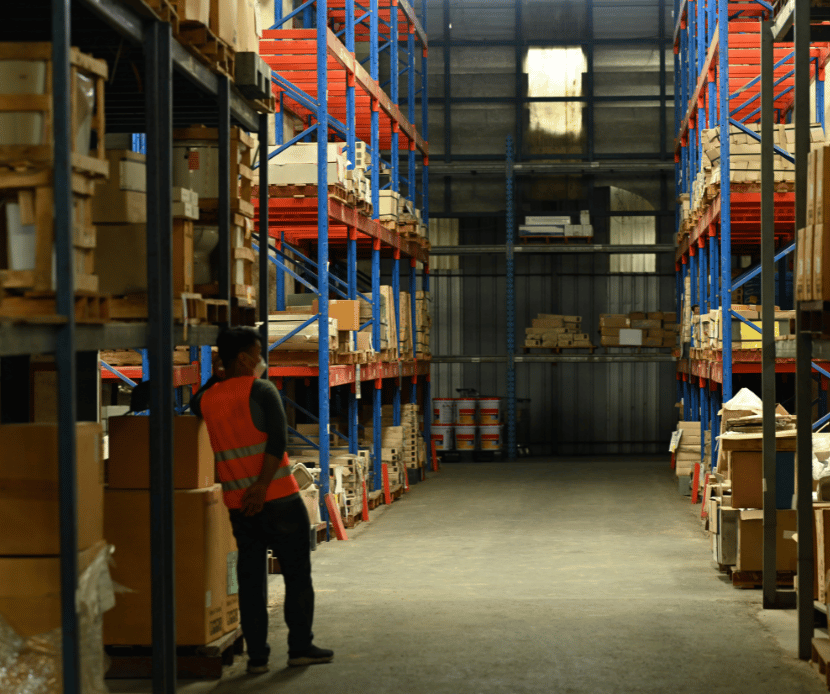

Discover tailored warehousing solutions at SJ Logistics, designed for efficiency and strategic storage. Optimize your supply chain with our innovative services today!
Learn More Warehousing
Discover comprehensive NVOCC solutions that streamline your logistics operations, enhance efficiency, and ensure seamless cargo management for your business needs.
Learn More NVOCC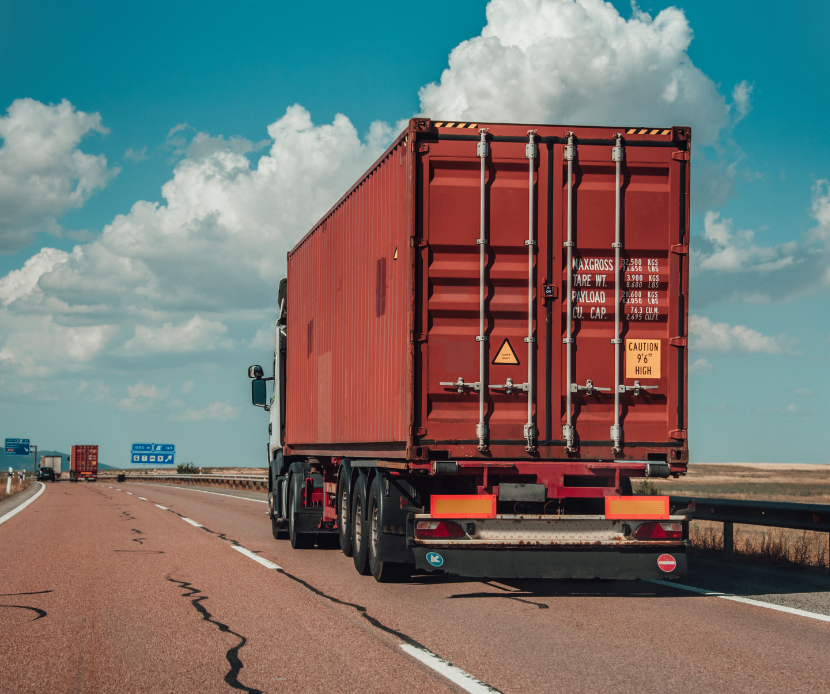

Discover reliable inland transportation solutions that streamline your domestic logistics, ensuring timely and efficient delivery across the country.
Learn More Inland Transportation

Experience unparalleled convenience with our door delivery solutions, ensuring your packages arrive safely and promptly right at your doorstep. Discover more today!
Learn More Door Delivery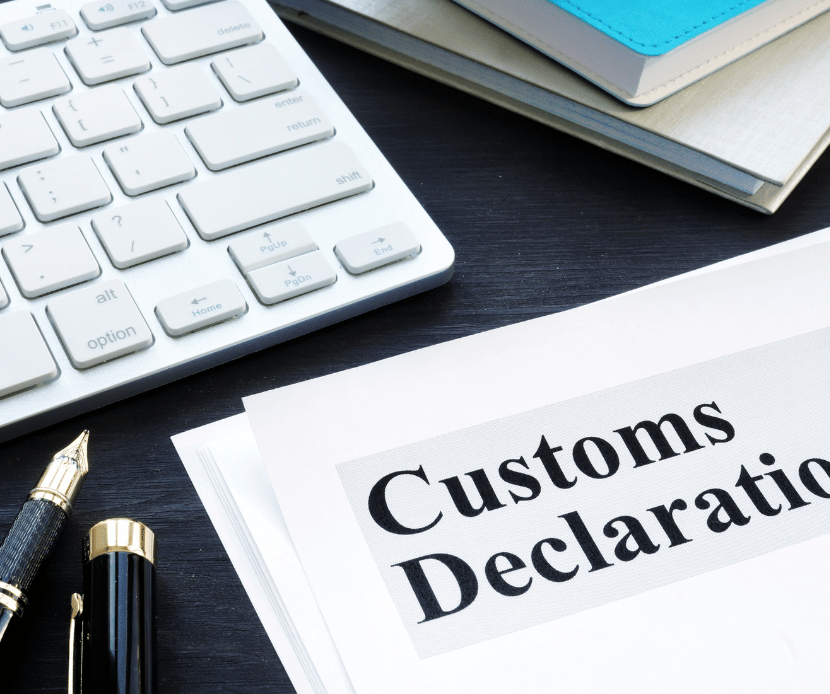

Experience seamless customs clearance with SJ Logistics. Our expert-led solutions ensure precision and efficiency, streamlining your import and export processes.
Learn More CHA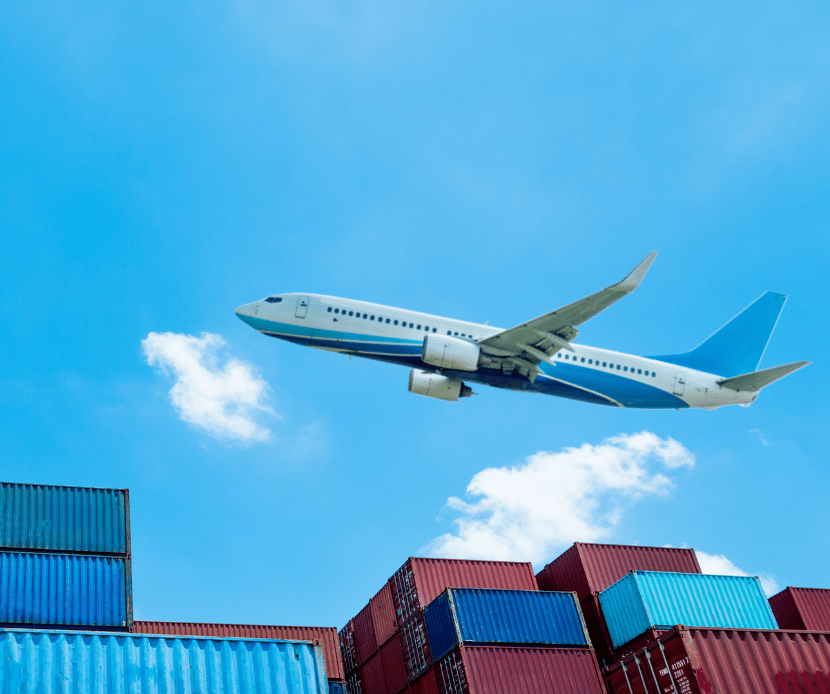

Experience unparalleled speed and reliability with our air freight services, ensuring your cargo reaches its destination swiftly and safely, no matter the distance.
Learn More Air Freight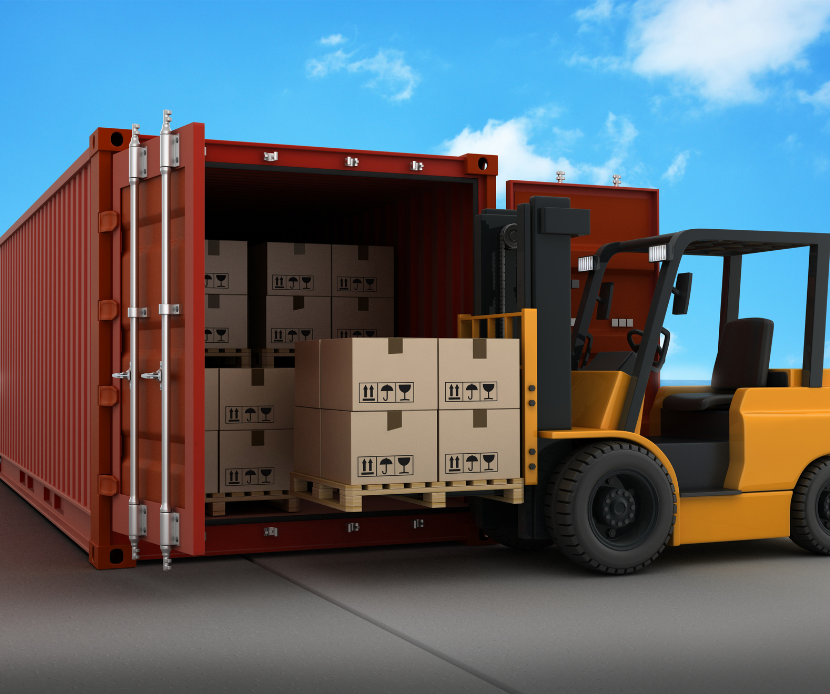

Unlock the benefits of LCL shipping with our tailored solutions. Enjoy flexibility, cost savings, and strategic support designed for SMEs to thrive in global trade.
Learn More LCL Shipping