


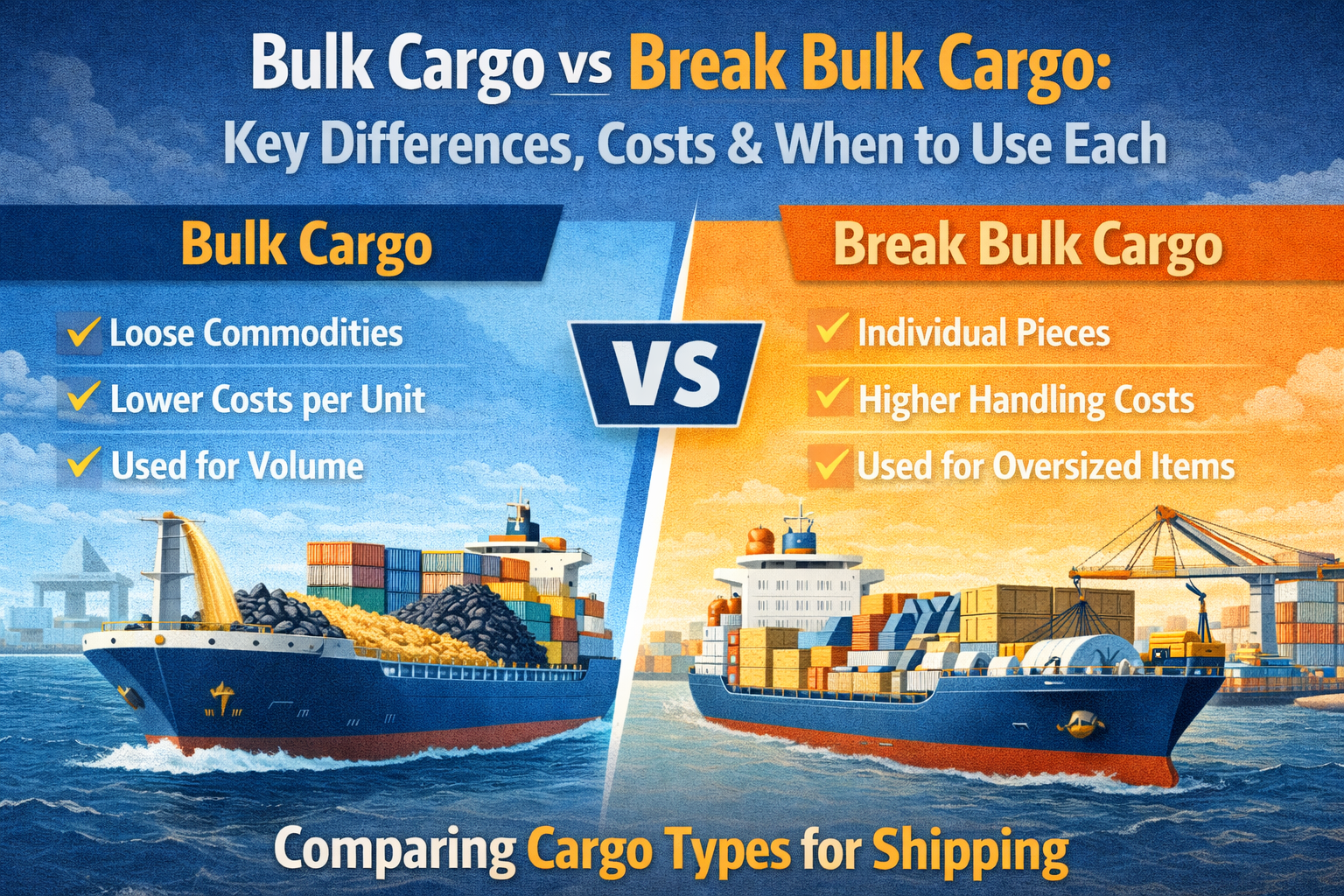
Knowing the difference between bulk and breakbulk cargo can save time, money, and costly shipping errors.
If you’ve ever paused while choosing between bulk cargo and break-bulk cargo, you’re not alone.
One small label can change the cost of an entire shipment. Call cargo “bulk” when it should be “break bulk", and you may face delays, extra handling fees, or the wrong vessel choice.
This mix-up is common in shipping, especially for steel, project cargo, and heavy equipment. To avoid errors, it is essential to clearly understand what break-bulk cargo is and how it differs from bulk cargo.
Quick Difference Between Bulk and Break Bulk Cargo
Bulk cargo is cargo shipped in large loose volumes without any packaging. The ship loads it straight into the hold. There are no boxes, bags, or pallets involved.
You usually see bulk cargo when the cargo:
Common examples of bulk cargo:
Bulk cargo falls into two main types:
Because bulk cargo moves in huge volumes, it often costs less per unit. But it needs ports with the right equipment, like silos, conveyors, and pumps.
Break bulk cargo is cargo shipped as separate pieces, not loose and not inside containers. Each item is handled one by one during loading and unloading.
This type of cargo is common when goods are:
Common break bulk cargo examples include:
Unlike bulk cargo, break-bulk cargo needs manual or crane handling. This makes planning more important. You must account for lifting points, weight limits, and safe stowage.
People often group these two. In practice, they work very differently. The table below shows the clear difference between bulk cargo and break-bulk cargo.
|
Factor |
Bulk Cargo |
Break Bulk Cargo |
|
Packaging |
No packaging at all |
Shipped as separate pieces |
|
Handling |
Loaded loose into the ship's holds |
Handled piece by piece |
|
Cargo form |
Same material throughout |
Different shapes and sizes |
|
Examples |
Grain, coal, crude oil |
Steel pipes, machinery, timber |
|
Loading speed |
Fast with port systems |
Slower, needs cranes and labor |
|
Cost per unit |
Lower |
Higher due to handling |
|
Vessel type |
Bulk carriers or tankers |
General cargo or multipurpose vessels |
Simple rule to remember:
This difference matters because it affects vessel choice, port selection, cost, and transit time.
Break-bulk cargo makes sense when container or bulk shipping will not work. Many shippers choose it because of cargo size, shape, or port limits.
You should use break bulk cargo when:
Typical situations where break-bulk cargo works best:
Break-bulk cargo needs careful planning. Every piece must be measured, labeled, and lifted safely. When done right, it gives flexibility that other shipping types cannot.
Many shipping problems start with a simple mistake in cargo type. These errors cost time and money.
Common mistakes with bulk and break-bulk cargo include:
One frequent issue is paperwork. When cargo is listed incorrectly, ports may reject the shipment or delay loading. Another issue is cost. Break-bulk cargo needs more handling, so last-minute changes raise charges fast.
A quick check before booking can prevent most of these problems.
Choosing the right cargo type starts with a few basic checks. You do not need complex terms. You need clear answers.
Ask these questions before you book:
Use this quick rule:
Making the right choice at this stage helps avoid delays, rebooking, and added costs later.
Choosing between bulk cargo and break-bulk cargo affects cost, safety, and delivery time. When the cargo is big, heavy, or irregular, small mistakes can turn into big delays.
That’s where SJ Logistics steps in.
SJ Logistics handles break-bulk cargo shipments with proper planning, vessel selection, and port coordination. From steel and machinery to project cargo, every piece is managed with care, clear documents, and the right handling process.
If your cargo does not fit the container or bulk model, talk to a team that deals with break-bulk cargo every day.
Reach out to SJ Logistics to plan your next break bulk shipment the right way.

Your Global Trade Navigator, Delivering End-to-End Excellence and Unlocking New Opportunities in Every Link of Your Supply Chain.
Get In Touch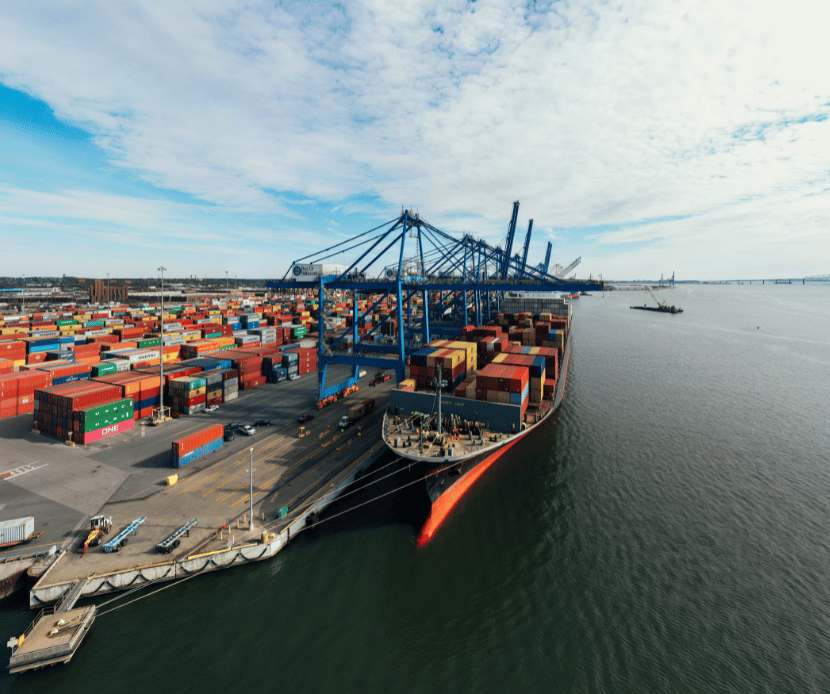

Explore our expert guide on Full Container Load (FCL) Shipping, covering benefits, processes, and tips to optimize your shipping experience efficiently.
Learn More FCL Shipping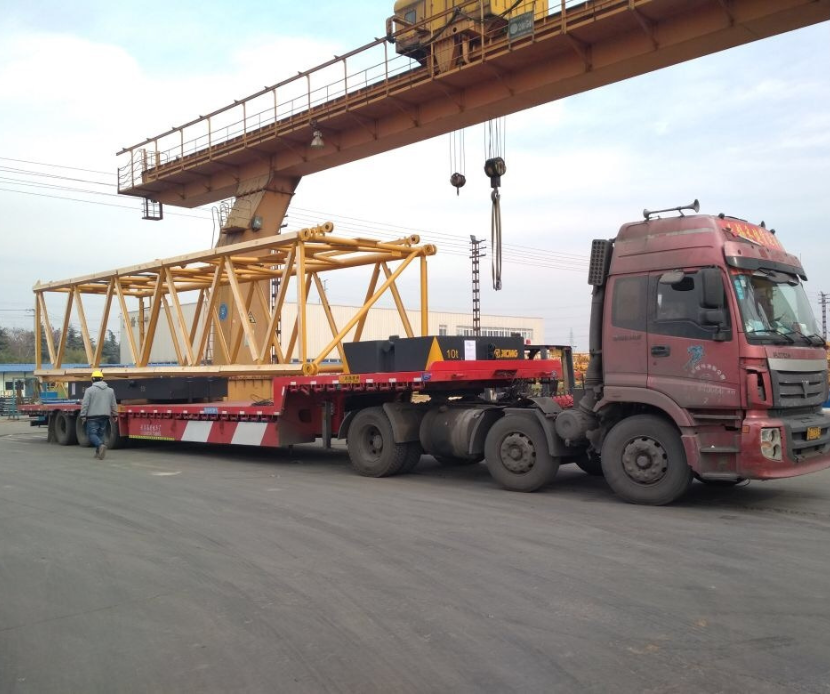
SJ Logistics specializes in the global transportation of high-value, oversized cargo, ensuring safe and efficient delivery for your most complex project logistics needs.
Learn More Project Cargo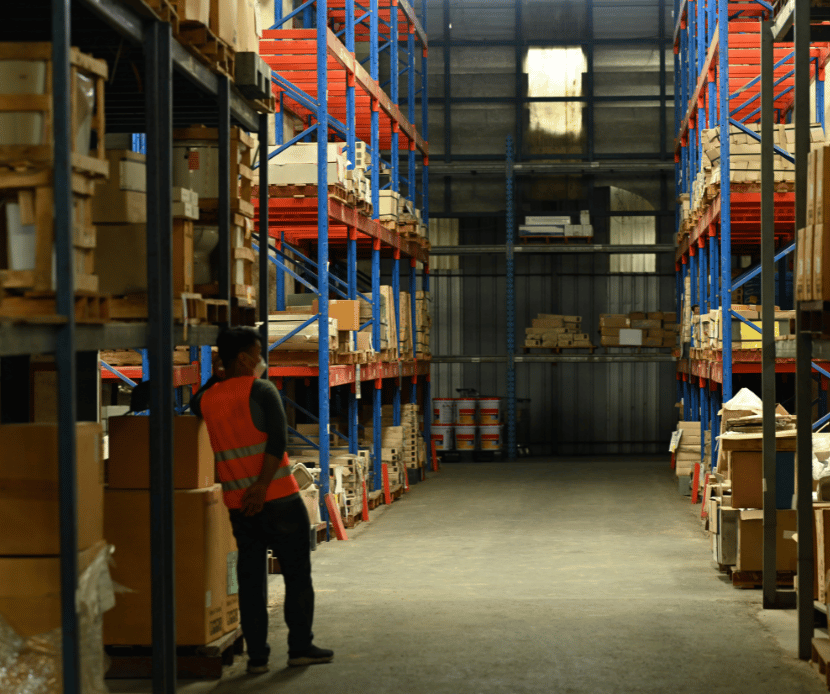

Discover tailored warehousing solutions at SJ Logistics, designed for efficiency and strategic storage. Optimize your supply chain with our innovative services today!
Learn More Warehousing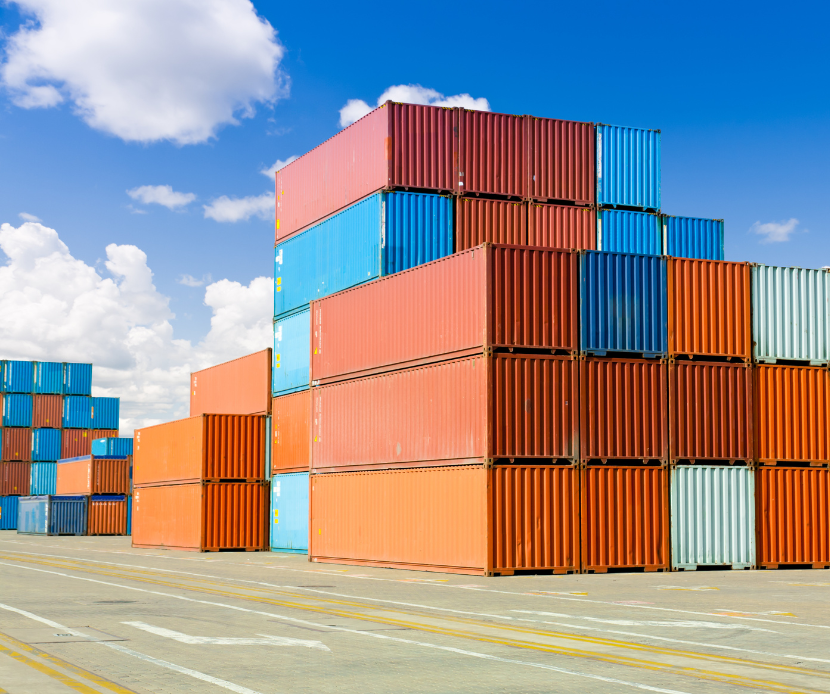
Discover comprehensive NVOCC solutions that streamline your logistics operations, enhance efficiency, and ensure seamless cargo management for your business needs.
Learn More NVOCC

Discover reliable inland transportation solutions that streamline your domestic logistics, ensuring timely and efficient delivery across the country.
Learn More Inland Transportation

Experience unparalleled convenience with our door delivery solutions, ensuring your packages arrive safely and promptly right at your doorstep. Discover more today!
Learn More Door Delivery

Experience seamless customs clearance with SJ Logistics. Our expert-led solutions ensure precision and efficiency, streamlining your import and export processes.
Learn More CHA

Experience unparalleled speed and reliability with our air freight services, ensuring your cargo reaches its destination swiftly and safely, no matter the distance.
Learn More Air Freight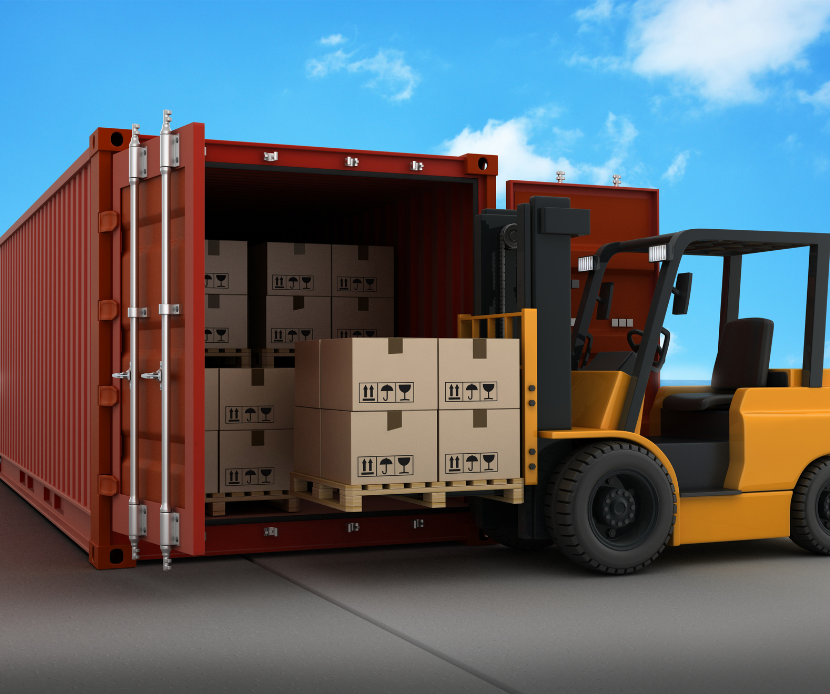

Unlock the benefits of LCL shipping with our tailored solutions. Enjoy flexibility, cost savings, and strategic support designed for SMEs to thrive in global trade.
Learn More LCL Shipping